

AI Releases Are Accelerating...Even More?
Anthropic, OpenAI, Kimi, GLM are shipping faster than ever, but the real change isn’t the benchmarks

The AI release cycle is compressing from quarters to weeks, and it’s changing what I’m willing to attempt. I spend a good amount of time on X, and that’s where all the crazy AI stuff happens. It’s also part of my job here on Substack, to provide you with the up-to-date AI information, and how to use it the best way possible.
Anthropic dropped Opus 4.6 in February 2026, 4.7 in April, and 4.8 in May, and 5.0 is already on the horizon is a thread that’s only gotten louder since. That’s almost 1 release per month for just that series of models.
GLM is on the same curve. GLM 5.5 is coming soon. Kimi 3.0 is already here with unbelievable benchmark numbers. The gap between “new model ships” and “next model ships” has collapsed from quarters to literally weeks.
Most of the commentary around this focuses on benchmarks. It’s good for marketing as well. Who’s ahead on SWE-bench. Who wins on reasoning. Who’s cheaper per token.
Bla-bla-bla...
But as these models get better and better, I noticed something...
The thing I noticed is that I started attempting harder problems, just because the models got reliable enough, and the tools around them got good enough, that I stopped assuming the AI would bail on me halfway through.
In this little article, I wanted to bring up 3 examples that turned into a lightbulb moment for me, and what these accelerated release cycles mean for us all.
Sonnet 5.0 and the Expo upgrade I’d been dreading
I’d been putting off an Expo SDK upgrade for my client. Usually, those updates have always been a mess for me
Dependency conflicts
Version mismatches
Broken native modules
New requirements from Android or iOS also don’t help. The past models would get partway through, hit a conflict, and stall or make it worse. On top of that, I’d upgraded to the macOS 27.0 beta and broken my iOS simulator.
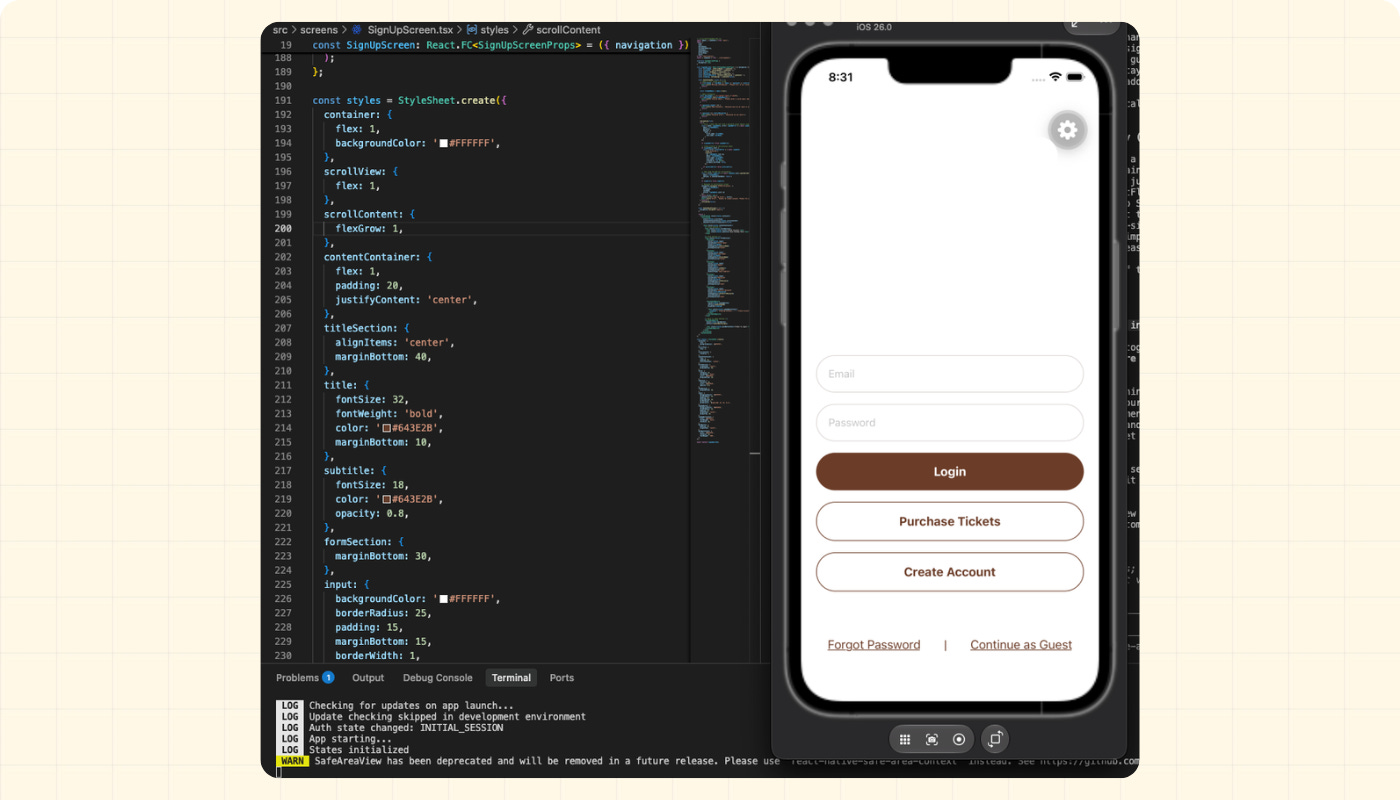
From my previous successful update, I decided to create a Claude skill. So this time, I handed the whole thing to Sonnet 5.0 inside Claude Code. It read the skill, went to Expo’s GitHub, found the right version for my SDK target, upgraded the packages, resolved the conflicts, and tested it.
I then ran the build, launched the simulator, and confirmed the app was loaded. I was watching it work, I didn’t go into “bypass permissions” mode, I was still a little scared. I was waiting for a mistake or a hiccup, but none of that happened. It persistently went through each step without me needing to intervene, really. I was shocked, and still am.
Loop engineering stops being theoretical
As you might’ve seen, a lot of people are talking about loops, including me.
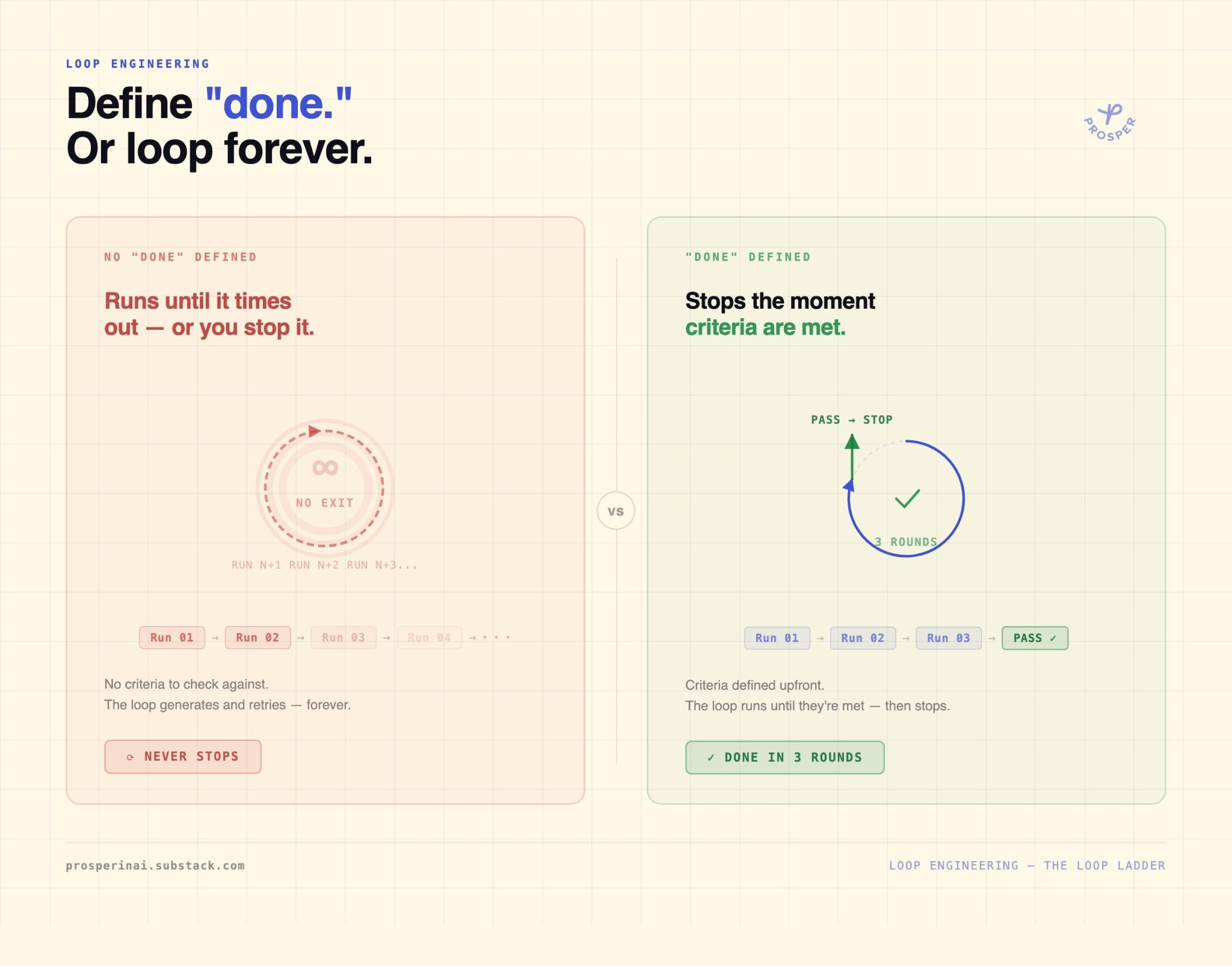
The idea:
Instead of prompting a model once and judging the output by hand, you design loops instead of prompting once - a closed loop where the model generates, evaluates its own work, retries on the gap, and stops when it passes.
Boris Cherny at Anthropic said he doesn’t prompt Claude anymore, he just writes loops that prompt Claude. Peter Steinberger said the same thing on X.
I agreed in principle. In practice, in the past, the models would definitely drift, I have no doubts about it. They’d lose the thread on step 4 of a 8-step loop, or declare success on something that wasn’t done. You’d babysit the loop so hard you might as well have prompted manually.
What changed is that the models got reliable enough to stay inside the loop, hold a plan across 15 steps without forgetting step 3, it’s why the 5 loops I run in my own newsletter workflow:
How I Built 5 Loops Into My Newsletter Workflow

Two weeks ago, Boris Cherny, the person who leads Claude Code at Anthropic, said this at a WorkOS keynote:
Harnesses have gotten so good that they can now reliably execute complex, multi-step tasks, launching sub-agents to do tasks in parallel, and coordinating them all.
GLM 5.2 and a brand site rebuilt in Devin Desktop
Around the same time, my wife’s brand design website needed a complete rebuild. So I thought that’s the perfect opportunity to test GLM 5.2 (High) inside Devin Desktop. GLM 5.2 doesn’t have image understanding, and a brand site is a visual product:
Typography
Layout
Color
Spacing
I expected that to be a real problem, but it wasn’t.
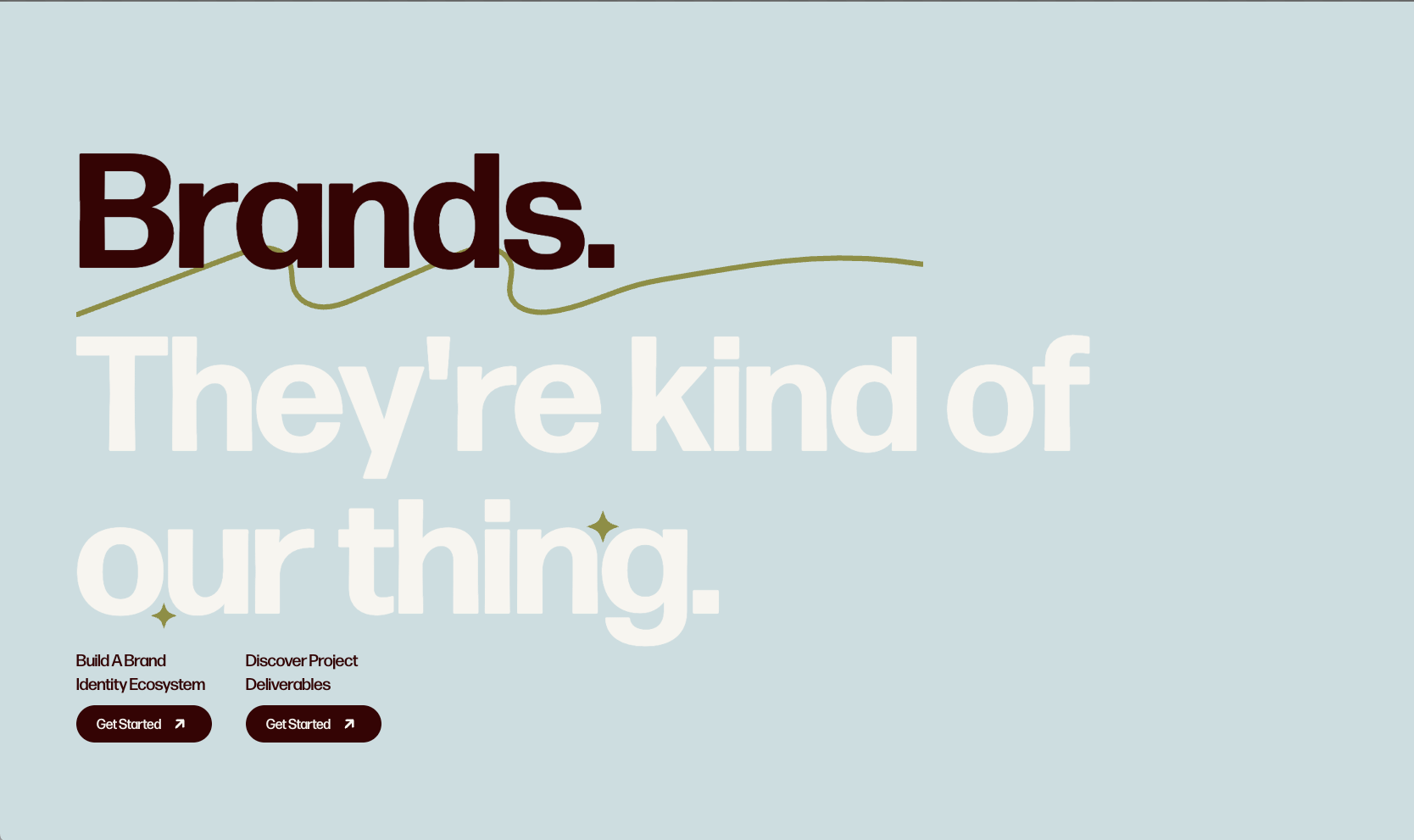
But GLM 5.2 did not disappoint. I’d describe what I wanted, it would build it, I’d give feedback, it would adjust. It was super precise. I thought it’s going to take me days, but oh boy, I was wrong. The harness mattered as much as the model here as well, Devin Desktop is incredible. The model was good. The harness made that goodness usable even more.
Quick note:
If you want a business idea (app, web app, anything) and you need incredible design + development done for you, reach out to me and we can chat about it!
The model and the harness
Here’s what I am trying to convey here.
If you only had better models, you’d get better answers to the same questions. If you only had better harnesses, you’d get a nicer wrapper around the same model. Neither one alone changes what you attempt. I think you need the harness and the model in the same package to get the full benefit.
The two compounding together is what changes things. Sonnet 5.0 is more reliable than 4.6 was, and Claude Code is much more capable than it was six months ago. GLM 5.2 is a strong model, and Devin Desktop gives it a real environment to work in.
As the model keeps improving and the harness keeps improving, the combination could cross a threshold where I’d stop treating AI as something I supervise and start treating it as something I can delegate to. I could see myself delegating bigger tasks across different sessions in the future now.
In my opinion, that threshold is the real product of the accelerating release cycle. Every new model pushes it a little further. Every harness update widens what the model can actually do.
Where I Land on the Accelerating AI Release Cycle
The positive consequence is straightforward. I take on projects I would have talked myself out of six months ago. The Expo upgrade, the brand site rebuild, neither was a research problem. They were things I knew how to do but it would’ve taken me a long time to complete. The cost dropped, so the projects moved off the back burner.
There’s a deeper reason the acceleration doesn’t worry me. Each new model doesn’t just incrementally improve. It unlocks workflows that weren’t practical before (loops for example), and those workflows feed into the next round. The next model will push that trust further, and the workflows you build around it will be more ambitious because of it.
The competition between labs is doing what competition does. Sonnet 5.0 and GLM 5.2 are a US frontier model and a Chinese open-weight model, both genuinely impressive, pushing each other on price and capability. We benefit from that directly. The same task that would have cost me a full day of manual work now costs an afternoon across two different harnesses with two different models, and I pick based on the job, not on brand loyalty.
The tradeoffs are real and I don’t dismiss them. Faster releases mean your workflows break more often. The Expo upgrade I just described is itself an example, SDK churn forced the upgrade in the first place. Skills go stale. Harnesses change their behavior. Prompt drift and regressions waste time. If you build brittle systems, the acceleration might hurt your workflows.
I’d like to be an optimist here, and say that my excitement and curiosity levels are high in this crazy period with this crazy piece of technology that is being developed. I like to find new ways to use AI to make our workflows better, and I’m excited to see what’s possible in the next 6-12 months.
If you’ve been putting off a project because the AI-babysitting wasn’t worth it, try it with the latest models. You’ll be surprised.
Thank you so much for reading,
Ilia